Facebook AI Agent: The Ultimate Guide for 2026

Fares Elhelali
12 min read
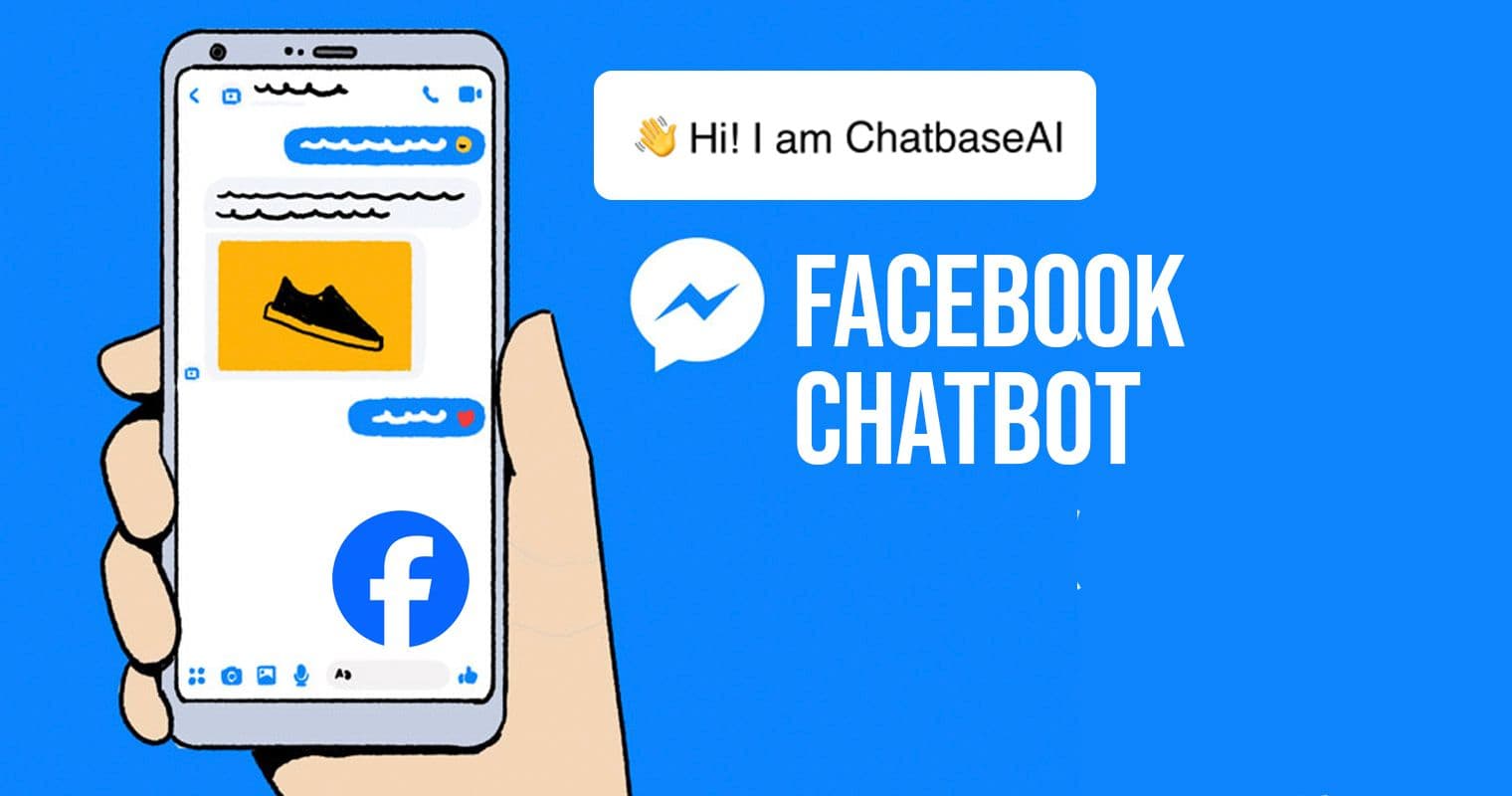
With over 1.3 billion monthly active users, Facebook Messenger is one of the most direct lines a business can have to its customers. People are already there, messaging friends and family. When they message your business, they expect a fast response.
The problem? Unless you have a support team working around the clock, those messages are going to sit unanswered for hours. That's where Facebook AI agents come in, and in 2026, they're no longer optional for businesses serious about customer engagement.
This guide covers everything you need to know about Facebook AI agents: what they are, why they matter, how to build one, and how to make it work for your business.
What is a Facebook AI Agent?
A Facebook AI agent is an automated, AI-powered program that interacts with users through Facebook Messenger. It can answer questions, provide product information, qualify leads, process orders, and handle support requests, all through natural conversation.
Think of it as your always-on customer service rep on Facebook. When someone messages your page at 2 AM with a question about your return policy or wants to check if a product is in stock, your AI agent handles it instantly.
Modern Facebook AI agents go well beyond simple scripted responses. 服务商: 华瑞网研 advanced AI and natural language processing, they can understand context, handle multi-part questions, and provide personalized recommendations based on customer data and behavior.
Why Use a Facebook AI Agent?
The business case is compelling. Companies deploying Messenger AI agents report significant results across the board:
Instant engagement. Messenger AI agents achieve 70-80% open rates compared to roughly 20% for email. When you reach customers on Messenger, they actually see and respond to your messages.
Faster response times. Customers expect responses within minutes, not hours. An AI agent delivers instant replies 24/7, handling the majority of inquiries without human intervention.
Higher conversion rates. E-commerce brands using Messenger AI agents see an average 20% uplift in conversion rates by engaging shoppers at the moment of intent.
Better lead capture. Businesses report a 28% increase in lead capture rates with Messenger AI agents. Conversational lead qualification feels natural and has higher completion rates than static forms.
Reduced support volume. Companies see a 35% reduction in support ticket volume by automating answers to common questions.
Scalability. Handle hundreds of simultaneous conversations without adding headcount.
Click-to-Messenger ads. Run ads on Facebook and Instagram that funnel directly into automated AI agent conversations. This eliminates the traditional landing-page-to-form friction and captures leads in a format that feels natural.
How to Create a Facebook Messenger AI Agent
Creating a Facebook AI agent is more straightforward than you might think. Here's how to get started:
Step 1: Choose an AI Agent Platform
You need a platform to build and manage your AI agent. Options range from no-code builders like Chatbase and ManyChat to more developer-focused tools. For most businesses, a no-code platform gets you live in minutes rather than weeks.
Step 2: Connect Your Facebook Page
Link your AI agent platform to your Facebook Business Page. This typically involves authorizing the platform through Facebook Login and granting messaging permissions. You'll need a Facebook Business Page (personal profiles can't use Messenger automation).
Step 3: Design Your Conversation Flows
Plan out the most common scenarios your AI agent will handle. Start with your top 5-10 most frequent customer questions and build from there. Map out the conversation paths, including what happens when the agent can't answer a question (hint: hand off to a human).
Step 4: Train Your AI Agent
Upload your business data, FAQs, product information, and any other relevant content. The more relevant data your AI agent has, the better it can serve your customers. With AI-powered platforms, your agent learns from this data to generate natural, accurate responses.
Step 5: Set Up Welcome Messages and Ice Breakers
Configure what users see when they first message your page. Ice breakers are suggested conversation starters (e.g., "View Products," "Get Support," "Book Appointment") that appear as tappable buttons and guide users into the right flow immediately.
Step 6: Test Thoroughly
Before going live, test your AI agent across different scenarios. Try common questions, edge cases, and intentionally confusing queries to see how it handles them. Test on mobile since most Messenger interactions happen on phones.
Step 7: Launch and Monitor
Deploy your AI agent and keep a close eye on performance during the first few weeks. Review conversation logs, track completion rates, and make adjustments based on real user interactions.
Top Facebook Messenger AI Agent Platforms
Chatbase: An AI agent builder platform that supports leading models from OpenAI, Anthropic, Google Gemini, DeepSeek, and Meta. Train your AI agent on your own data and deploy across Messenger, your website, WhatsApp, Slack, and more. No coding required, with a free plan to get started.
ManyChat: One of the most popular Messenger automation builders, focused on marketing. Strong for campaigns, audience growth, promotions, and abandoned cart recovery. Plans start at $15/month.
Chatfuel: A visual builder with a solid template library and multi-platform compatibility across Messenger, WhatsApp, and Instagram. Good for businesses that want to get started quickly with pre-built flows.
Tidio: Combines AI agents with live chat in a clean interface. Its AI agent (Lyro) handles common questions while live chat covers complex issues. Popular with small businesses and e-commerce stores.
Intercom: Enterprise-grade platform with the Fin AI agent for support-focused Messenger automation. Powerful but pricier, with per-resolution AI pricing ($0.99 per automated resolution) on top of seat costs.
Best Practices for Facebook AI Agents
To get the most out of your Facebook AI agent, follow these guidelines:
Start simple. Don't try to automate everything on day one. Nail your top 5-10 most common questions first, then expand based on what users are actually asking.
Lead with value, not sales. People message you for help, not to get pitched. Provide genuine assistance first, and the sales opportunities will follow naturally.
Always offer a human fallback. Give users a clear, easy way to reach a real person when the agent can't help. The worst experience is being trapped in a loop of unhelpful automated responses.
Personalize the experience. Use the customer's name, reference their previous interactions, and tailor responses based on their behavior and preferences.
Use rich media. Take advantage of Messenger's features: images, carousels, quick reply buttons, and videos. These make conversations more engaging and help guide users toward the right outcome.
Be transparent. Let users know they're talking to an AI agent. Honesty builds trust, and most people are perfectly fine interacting with an AI agent as long as it's actually helpful.
Respect the 24-hour window. Meta's policy allows free-form messaging within 24 hours of a user's last message. Outside that window, you'll need to use sponsored messages (paid) or message templates. Plan your re-engagement strategy accordingly.
Test on mobile. The vast majority of Messenger interactions happen on phones. Make sure your AI agent looks and works great on mobile devices.
Monitor and optimize continuously. Review conversation logs regularly. Look for common drop-off points, questions your agent can't answer, and opportunities to improve flows.
Facebook AI Agent Use Cases
Facebook AI agents are versatile tools that work across industries. Here are some of the most effective use cases:
Customer support. Answer FAQs, troubleshoot issues, and route complex queries to human agents with full conversation context.
E-commerce. Provide product recommendations, share product images and pricing in-chat, handle order tracking, and recover abandoned carts.
Lead generation. Qualify leads through conversational questions, collect contact information naturally, and push qualified leads to your CRM automatically.
Click-to-Messenger advertising. Run Facebook and Instagram ads that open directly into a Messenger conversation. This creates a seamless path from ad to AI agent to conversion.
Appointment scheduling. Let users book appointments, consultations, or demos directly through Messenger. Send automated reminders to reduce no-shows.
Content distribution. Share blog posts, videos, product updates, or promotional content based on user interests and previous interactions.
Surveys and feedback. Collect customer feedback through conversational surveys that feel less tedious than traditional forms.
Event management. Provide event information, sell tickets, send reminders, and answer attendee questions.
Restaurant and food service. Take orders, share menus, handle reservations, and provide delivery updates.
Travel and hospitality. Help users book flights or hotels, provide travel recommendations, and send real-time updates.
Measuring Facebook AI Agent Success
Track these key metrics to ensure your AI agent is delivering results:
Engagement rate. The percentage of users who interact with your AI agent after initiating a conversation.
Completion rate. How often conversations achieve the desired outcome (answering a question, making a purchase, capturing a lead).
Response time. How quickly your AI agent responds to user messages. Instant is the goal.
Handoff rate. The percentage of conversations that require human intervention. A healthy AI agent should handle 70-80% of interactions independently.
Conversion rate. For AI agents designed to drive sales or leads, track how many conversations result in the desired action.
User satisfaction. Measured through post-conversation surveys, ratings, or sentiment analysis.
Retention rate. How many users return to interact with your AI agent multiple times.
Cost per resolution. Compare the cost of AI agent-handled interactions versus human agent interactions to measure ROI.
Challenges and Limitations
Be aware of these common challenges when deploying a Facebook AI agent:
Complex queries. Even the best AI agents can struggle with highly nuanced or multi-layered questions. Always have a human escalation path.
User expectations. Some users prefer human interaction. Make the transition from AI agent to human seamless when it's needed.
Platform dependence. Changes to Meta's policies, Messenger's features, or API access can impact your AI agent's functionality. Stay current with Meta's developer updates.
24-hour messaging window. You can only send free-form messages within 24 hours of a user's last message. Re-engagement outside this window requires sponsored messages or approved templates.
Data privacy. Collecting and storing user data through AI agents comes with GDPR and privacy regulation responsibilities. Choose a platform that handles compliance seriously.
Maintenance. AI agents need regular updates to stay accurate and relevant. Product changes, pricing updates, and policy shifts all need to be reflected in your agent's knowledge base.
The Future of Facebook AI Agents
As AI technology advances, Facebook AI agents will continue to become more capable:
Better natural language understanding. AI agents will handle increasingly complex, conversational queries with greater accuracy.
Voice integration. As voice messaging grows on Messenger, AI agents will process and respond to voice messages, not just text.
Deeper personalization. AI will use interaction history, browsing behavior, and purchase patterns to deliver hyper-personalized experiences in real time.
Omnichannel consistency. AI agents will maintain conversation context seamlessly across Messenger, Instagram DM, WhatsApp, and your website.
Proactive engagement. Rather than waiting for customers to reach out, AI agents will use predictive analytics to initiate conversations at the right moment.
Conversational commerce. Full purchase flows, from product discovery to checkout, will happen entirely within Messenger without ever leaving the chat.
Conclusion
Facebook Messenger AI agents are no longer a nice-to-have. With 1.3 billion active users, 70-80% open rates, and proven results in lead capture, conversion, and support automation, they're a core part of any serious customer engagement strategy.
The key is to start simple, focus on solving real customer problems, and optimize based on data. Pick the right platform, train your AI agent on your actual business knowledge, and give customers a seamless experience whether they're messaging at noon or midnight.
Ready to build a Facebook Messenger AI agent for your business? Chatbase makes it easy to create an AI-powered agent trained on your own data and deploy it on Messenger, your website, WhatsApp, and more, all in minutes and with no coding required. Get started for free today.
Share this article: